
How investors position for new Trump trades after Iran truce
Investors are recalibrating their strategies in response to renewed geopolitical uncertainty, crafting a fresh “Trump trade” playbook as markets react to shifting dynamics around US-Iran tensions, oil prices, and global monetary policy.
With inflation and interest rate trajectories increasingly difficult to predict, many investors are stepping away from long-term positioning and instead focusing on short-term opportunities created by market dislocations during the Iran conflict.
Oil seen staying higher for longer
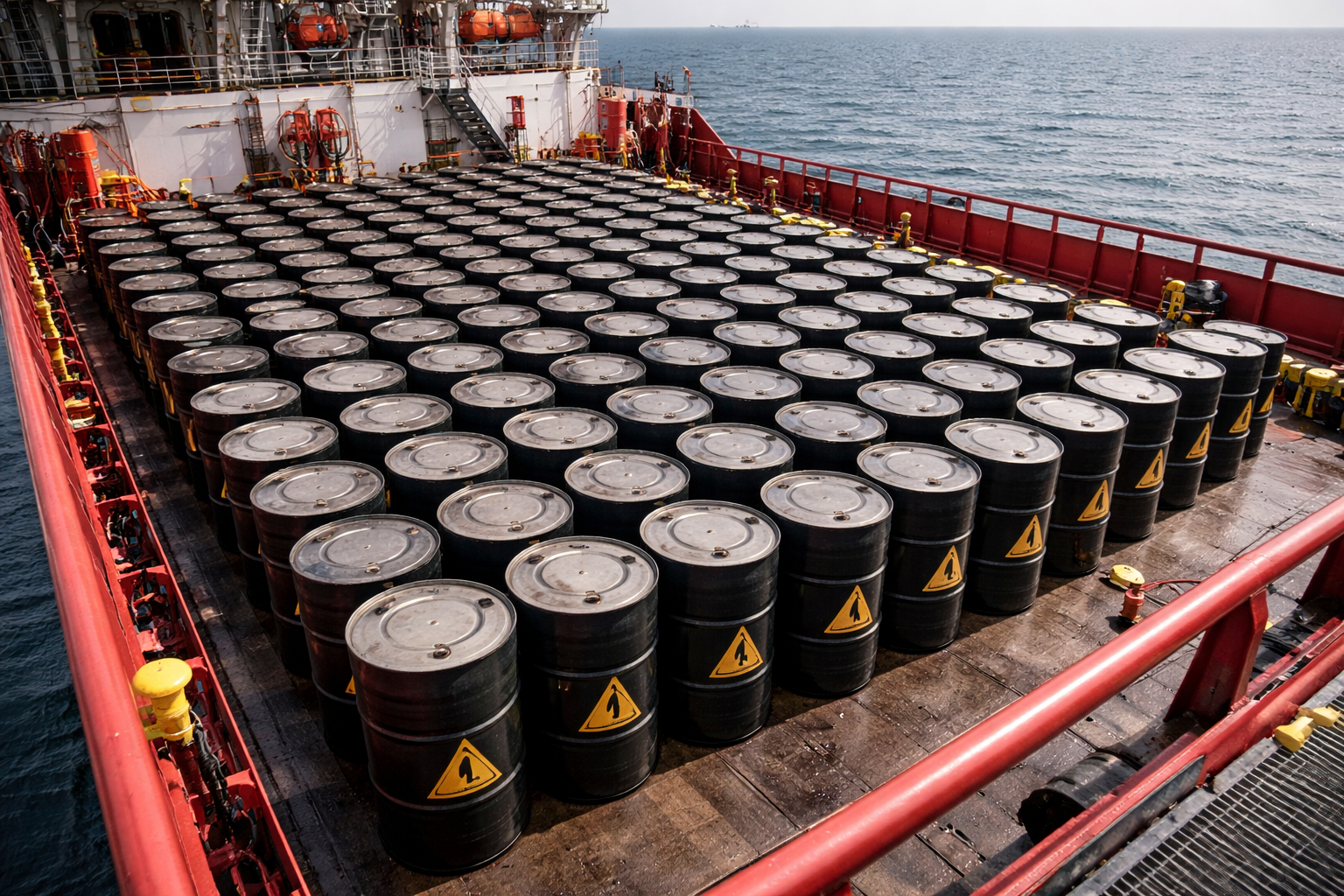
Oil prices have been highly volatile, tumbling nearly 15% to below $100 per barrel following a ceasefire agreement, yet investors expect prices to remain elevated amid lingering uncertainty around the Strait of Hormuz.
Futures for delivery six months ahead are trading around $79 per barrel, still above pre-war levels. Analysts note that prices have swung sharply with each shift in geopolitical sentiment, at times falling too far on optimism around de-escalation.
Michael Haigh, global head of commodities research at Societe Generale, said in a Reuters report that even a successful ceasefire could leave oil prices with a floor of $85 per barrel by year-end, particularly if countries begin stockpiling energy supplies in response to security concerns.
Investor sentiment toward energy stocks is also shifting. A Bank of America survey showed that bearishness toward the sector has eased, with 30% of investors holding a negative view, down from 40% six months ago.
Oil-linked currencies gain traction
Currency markets are also reflecting the evolving macro backdrop. While the US dollar has regained strength as a safe-haven asset, its outlook could weaken if geopolitical risks subside while oil prices remain elevated.
In such a scenario, currencies of oil-exporting nations may outperform.
Van Luu, global head of solutions strategy at Russell Investments, said, “It will take a while for everything to ramp up again, for the tankers to travel again, and oil prices might have a higher floor.”
“If oil prices are $85 to $100 (a barrel) then energy exporters in politically stable countries, and you could consider Norway and Canada in that camp, should do better,” he added.
This view underscores a potential shift in currency positioning as investors weigh the interplay between commodity prices and geopolitical stability.
Bonds rebound as inflation fears ease
Bond markets have also reacted to the evolving situation.
Government borrowing costs in the UK and Euro zone declined after the ceasefire announcement, as fears of energy-driven inflation eased.
However, some investors believe yields remain elevated relative to economic fundamentals.
Nicolo Bragazza, associate portfolio manager at Morningstar Wealth, said, “We don't see something similar to 2022 when UK inflation went above 10%,” expressing a positive outlook on UK government bonds.
In the euro zone, markets have significantly scaled back expectations for further rate hikes, with only a 20% probability of a European Central Bank increase in April, down from 60% prior to the ceasefire.
Market anomalies create trading opportunities
Heightened volatility and sentiment-driven trading have also led to unusual market behaviour, creating opportunities for investors able to identify mispriced assets.
Bruno Taillardat, head of quantitative portfolio management at Edmond de Rothschild, said, “(Trading) is not as dispersed as it should be and there are some sectors which should be more immune to this at least in the medium term.”
He pointed to global healthcare stocks trading in line with cyclical sectors since the war began, despite typically being considered defensive.
Taillardat added that continued volatility driven by political rhetoric is likely to keep markets prone to overreactions.
“It’s this kind of asymmetric behaviour that generates the right opportunities,” said Nicolo Bragazza.
The post How investors position for new Trump trades after Iran truce appeared first on Invezz